Good Mood: A Natural Handwritten Font for Authentic Branding
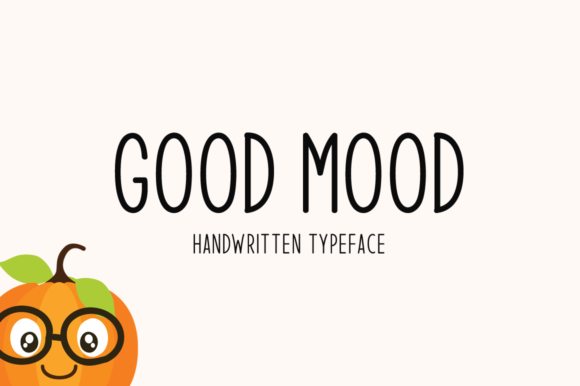
I had a blank brand board open for a new project—a small, local ceramics studio looking to refresh its identity. The owner wanted something that felt handmade, personal, and welcoming, moving away from a rigid, corporate look. As I scanned my font library, I landed on Good Mood. Its simple, natural handwritten style immediately felt like the right starting point. The thin, casual lines seemed to whisper exactly what the client desired: authenticity.
Good Mood for Logo Design and Brand Personality
The first thing I tested with the Good Mood font was the studio’s name in a logo draft. In typography, a script handwritten font like this carries immense personality. Good Mood isn’t overly ornate or dramatic; it’s that gentle, approachable touch that makes a brand feel like a friend. For the ceramics studio, placing the business name in this font instantly created a visual story of craftsmanship and care. The thin weight meant it remained elegant even at larger display sizes, perfect for a main logo or a secondary logotype. It was clear this font could establish a brand mood from the very first sketch.
Using Good Mood on Packaging and Product Labels
With the logo feeling right, I moved to packaging mockups. A natural handwritten font like Good Mood excels on tactile materials. I applied it to hypothetical sticker labels for coffee mugs and vase boxes. The casual letterforms gave each label a bespoke, almost hand-written note feel, which aligned perfectly with the handmade nature of the products. The font’s readability was excellent for short product names and descriptors, creating a clear visual hierarchy without needing bold weights. This is where the promise that Good Mood will complement design ideas truly shone—it elevated the packaging concept without overpowering it.
Good Mood in Digital Spaces: Social Media and Web Headers
Brand consistency across platforms is crucial, so I next checked how this Script Handwritten font performed digitally. For social media graphics announcing new pottery classes, Good Mood used as a headline font added a warm, inviting contrast against clean photography. On a website hero section, the same font styling the studio’s tagline (“Handmade with Heart”) created immediate emotional engagement. The thin strokes rendered beautifully on screen, maintaining their character without appearing fuzzy. This versatility from print to digital is a key strength for a font meant for holistic branding.
Pairing Good Mood with Supporting Typefaces
No font lives alone in a brand system. For longer text like website body copy or class descriptions, I needed a pairing. Good Mood, as a display font, pairs elegantly with a simple, neutral sans serif. The contrast works wonderfully: the handwritten font provides personality and accent for headlines and logos, while the sans serif ensures readability for paragraphs. This pairing strategy is a practical piece of advice for anyone using this font in client work—it allows Good Mood to shine where it’s strongest without compromising functional text communication.
Good Mood for Printed Marketing Materials and Editorial Design
Moving back to print, I explored other materials like a simple poster for a studio open day and a short editorial booklet about their craft process. On the poster, Good Mood font gave the event title a relaxed, community-oriented vibe. In the booklet, used sparingly for chapter titles, it injected a consistent brand voice throughout the pages. The font’s natural flow makes it ideal for these accent roles, tying different materials together under a single aesthetic thread. It’s this ability to weave through various fonts in a system that builds strong brand recognition.
Testing a font thoroughly before commitment is essential. I looked at Good Mood in different contexts: on a hypothetical business card, a shop window sign mockup, and even embroidered merchandise mockups. Its casual style held up everywhere, proving its adaptability. For any designer considering this font, I recommend similar real-world mockups for your specific project. Does it look right on your product’s surface? Does it feel right for your client’s audience? For the ceramics studio, the answer was a resounding yes.
The Practical Details of the Good Mood Font
Beyond the visual test, practical considerations matter for commercial use. From its description as a simple and natural handwritten font, I inferred its character set would be well-suited for standard Latin languages, making it viable for many Western markets. The thin and casual style suggests it likely includes standard ligatures and alternates that maintain its natural flow, though checking the specific font files for these features is always a final step. Its “simple” nature also implies it’s a font that won’t overwhelm a design with excessive ornamentation, making it a safe, versatile choice for entrepreneurs and designers who need reliability.
Why Good Mood Fonts Work for Small Business Branding
For small businesses like cafés, boutiques, creative studios, or product-based brands, authenticity is a priceless commodity. A font like Good Mood delivers that directly. It doesn’t scream “designed”; it suggests “crafted.” When used in a brand identity, it fosters a perception of personal touch and professionalism that isn’t stiff. This can deeply influence audience engagement, making customers feel a direct, human connection to the brand. In my ceramics studio case, this was the entire goal—and the font became a foundational asset to achieve it.
My journey from a blank board to a cohesive set of brand materials demonstrated how a single, well-chosen font can orchestrate an entire visual language. Good Mood, with its thin and casual handwritten style, proved to be more than just a typeface; it was a tool for conveying mood and intention. It complemented each design idea, from logo to label to digital post, seamlessly. For graphic designers, brand designers, and entrepreneurs looking for a font that brings a natural, warm authenticity to their work, exploring Good Mood is a step toward creating brands that feel genuinely good.