Scottish: The Romantic Script Font for Modern Web Design
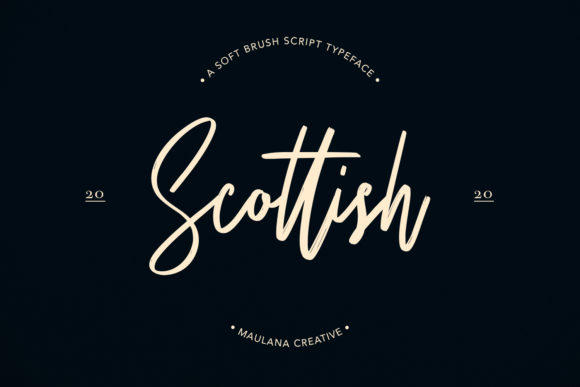
In the world of digital creation, where establishing a distinct and compelling online identity is paramount, the right typography is a foundational design decision. Scottish emerges as a compelling option, a sweet and flowing brushed handwritten font that brings a palpable sense of dainty and joyful personality directly into web layouts. For web designers and UI designers crafting websites, landing pages, and digital products, this script handwritten font offers a direct path to injecting romance and personalization into otherwise sterile digital spaces.
How Scottish Font Enhances Digital Brand Tone and Trust
The Scottish font is not merely a decorative asset; its visual characteristics communicate a specific brand tone instantly. The brushed, handwritten style suggests authenticity, care, and a human touch—qualities that foster brand trust and user engagement in competitive online markets. When a boutique online store uses Scottish in its hero banner, or a creative coach employs it for section headings on a landing page, the design signals a personalized, premium experience. This directly supports conversion-focused layouts by creating an emotional hook that resonates before a user even reads the body copy.
Using Scottish for Hero Headers and Landing Page Titles
In practical application, the Scottish typeface excels as a display font for prominent, high-impact text. Its flowing nature and romantic character make it ideal for the primary headline on a website’s hero section or the main title on a product landing page. For instance, a SaaS product focusing on wedding planning or a digital course on relationship coaching could use Scottish for its main "Welcome" or "Transform Your Life" headline, immediately setting a warm, inviting tone. The key is to use it sparingly and at a large size to maximize its decorative appeal while maintaining legibility.
Scottish for Wedding-Inspired Websites and Online Stores
As the product description notes, Scottish is ideal for wedding invitations, a niche that extends seamlessly into digital design. Web designers creating sites for wedding planners, florists, photographers, or bespoke jewelry brands can leverage this script font to create a cohesive, elegant online identity. Using Scottish for category titles on an online store, for special offer banners, or for call-to-action buttons on a service booking page creates a consistent romantic aesthetic. This thematic consistency across the site strengthens brand recognition and guides the user through a visually harmonious journey.
Optimizing Scottish Font Readability on Mobile Screens
Any discussion of using a decorative handwritten font like Scottish in web design must address readability, especially on mobile devices. To ensure the font remains legible on smaller screens, use it exclusively for short phrases—never for body paragraphs. Maintain ample letter spacing and ensure a high contrast between the font color and its background, whether on dark or light themes. When overlaying Scottish on images, provide a solid backdrop or shadow to prevent the delicate strokes from blending into the background. Testing across breakpoints is crucial to preserve both its beauty and its functional clarity.
Building Visual Hierarchy with Scottish Typography
A core principle of effective UI design is establishing a clear visual hierarchy that guides the user’s eye and scanning behavior. The Scottish font, with its distinct style, naturally occupies the top tier of this hierarchy. By pairing it with a clean, neutral sans-serif font for body copy and a simple serif for subheadings, designers create a typographic system that is both dynamic and organized. For example, a blog focused on romantic literature could use Scottish for the blog title and featured post headers, a serif for article titles, and a sans-serif for the article text. This layered approach makes content easily scannable while allowing the decorative Scottish to shine as a brand anchor.
Pairing Scottish with Web Fonts for a Complete Brand Kit
Successful font pairing is essential for digital brand identity. Scottish functions as the personality-driven display font in a kit. Practical pairings include geometric sans-serifs like Montserrat or Inter for UI elements and body text, or classic serifs like Merriweather for more editorial content on blogs or course pages. This combination ensures that the romantic, personalized feel of Scottish is balanced by fonts optimized for long-form readability, creating a professional and trustworthy overall web experience.
Integrating Scottish into Conversion-Driven Call-to-Action Designs
Even in functional areas like call-to-action (CTA) buttons or form titles, Scottish can be strategically employed to enhance conversion. Its joyful and personal style can make a "Reserve Your Spot" or "Book a Consultation" button feel more inviting and less transactional. This application, however, requires careful testing. The font should be used on CTA text that is brief and set at a size that remains perfectly clear. The surrounding button design should be simple to avoid visual competition. This subtle use in key interaction points reinforces the brand’s tone at the moment of decision.
Commercial Font Licensing for Websites and Client Projects
For web designers, UI designers, and digital product creators, licensing is a practical necessity. When using the Scottish font for client websites, online stores, or digital templates you sell, ensure you possess the appropriate commercial license. Verify the included file formats for webfont compatibility (typically .woff2 or .woff) to guarantee seamless performance across all browsers. Confirm any multilingual support if your projects require it. Investing in a properly licensed premium font like Scottish protects your work and your clients' brands, providing a reliable asset for consistent online identity across all branded web experiences.
Scottish in Digital Ads and Social Media Graphics
The application of this script handwritten font extends beyond core websites into promotional graphics. For digital ads, Instagram banners, or email header graphics, Scottish can capture attention and convey a niche’s romantic or personalized ethos quickly. A single, well-crafted phrase in Scottish against a minimalist background can become a recognizable brand signature across social media, increasing cohesion in a fragmented digital landscape.
Ultimately, Scottish is more than a pretty typeface; it is a strategic design tool for web professionals. Its sweet and flowing brushed style, when applied thoughtfully to headers, accents, and key branding elements, builds digital experiences that feel human, trustworthy, and distinct. By mastering its placement, pairing, and technical implementation, designers can leverage this font to create websites, landing pages, and apps that not only look beautiful but also communicate precisely and convert effectively.