Using the Hijri Font for Elegant Web Design Projects
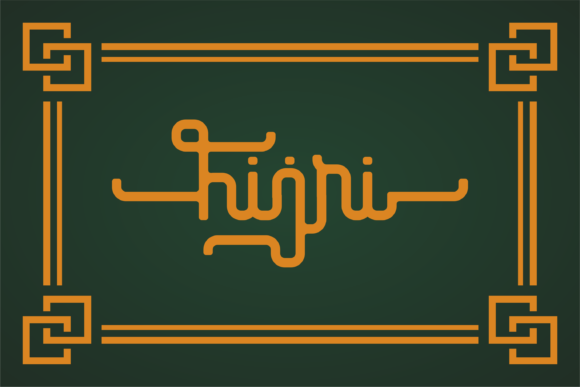
I was designing a landing page for a small-batch ceramics brand, and the hero section felt flat. The sans-serif headline was clean, but it lacked the personality and handmade feel that matched their products. I needed a typeface with warmth and a touch of artistry. That’s when I imported the Hijri font into the Figma file. Hijri is a monoline script font with an Arabic style, and its smooth, single-weight strokes immediately brought a more crafted, organic vibe to the layout.
Testing Hijri in Website Headers and Hero Sections
Hijri as a script handwritten font creates a strong first impression. For that ceramics site, I used it for the main headline: “Handcrafted for Daily Rituals.” The beautiful swashes at the end of words like “Rituals” gave the phrase a ceremonial, elegant closure, making it stand out against the minimalist background. This is a key consideration for any web designer: a hero title isn’t just text; it’s a visual anchor that sets the mood. Placing Hijri over a textured image banner required checking readability—I increased the letter spacing slightly and ensured the background had enough contrast. On mobile, I previewed the layout and confirmed the font remained legible even at smaller viewport sizes, a crucial step for modern, responsive web design.
Hijri for Boutique Online Stores and Branded Web Content
For an online store selling luxury teas or artisan goods, Hijri can transform a simple product banner into a premium announcement. I tested it on a promotional overlay saying “New Seasonal Collection.” The Arabic-inspired fluidity of the script handwritten font conveyed exclusivity and tradition, aligning perfectly with a niche brand story. When building a more polished online brand experience, every typographic choice contributes to trust. Using a distinctive font like Hijri consistently across key touchpoints—like site headers, special offer callouts, and category titles—builds a cohesive visual identity that feels intentional and professional.
Applying Hijri Fonts to Blog Graphics and Digital Ads
Beyond the homepage, I explored Hijri for digital assets meant to capture attention quickly. For the blog redesign, I used it for featured article graphics. Titles like “The Art of Slow Making” gained a lyrical quality with Hijri’s elegant letterforms. This font isn’t suited for long body copy—its decorative nature is best reserved for display purposes. For social media posts or digital ads promoting a book launch or a creative course, Hijri can make a short, compelling phrase pop. The key is to use it sparingly; a single, well-placed line of Hijri on a campaign landing page acts as a decorative accent that guides the user’s eye without overwhelming the layout.
Readability Advice for Hijri on Mobile Screens and Dark Backgrounds
A practical concern for any digital product creator is performance across devices. With a script font like Hijri, readability on mobile screens is paramount. I recommend using it only for sufficiently large text sizes—think headings above 28px on mobile. Also, test it on both light and dark backgrounds. When placing Hijri over a dark image overlay, a crisp white or light color fill ensures the delicate monoline strokes remain clear. For small buttons or dense UI elements, a simpler sans-serif is better; Hijri shines in spacious areas where its beauty can be appreciated without compromising scanning behavior or user engagement.
Font Pairing Strategies for Hijri in Web Design
No font lives alone in a layout. Hijri’s distinct personality needs a complementary partner for body text and supporting typography. In my projects, I paired it with a clean, geometric sans-serif font for paragraphs and UI labels. This contrast creates a clear visual hierarchy: the decorative Hijri draws attention for headlines, while the neutral sans-serif ensures comfortable reading. For a more editorial digital identity, like a coaching website or a portfolio for a writer, pairing Hijri with a classic serif font for subheadings can also work beautifully. This combination balances artistic flair with substantive authority. Before finalizing any font pairing, always check the webfont availability and licensing of both fonts to ensure smooth implementation on live websites and client projects.
Using Hijri Fonts for Course Sales Pages and Portfolio Homepages
For a course sales page focused on creative skills like calligraphy or design, Hijri can directly mirror the subject matter. A headline like “Unlock Your Creative Script” written in Hijri becomes a thematic promise. On a portfolio homepage for a photographer or designer, using Hijri for your own name or a key tagline (“Design with Intention”) adds a personalized, handwritten touch that feels authentic. These are strategic uses where the font’s style inherently supports the content’s message. It’s about alignment—the monoline script font with an Arabic style speaks to craftsmanship, artistry, and cultural richness, making it ideal for projects that want to communicate those values.
Checking Hijri Styles and Licensing for Digital Templates
Before committing to Hijri for a digital brand kit or a series of client landing pages, a thorough review of its technical specs is essential. I verified the included styles—often, fonts like Hijri come with alternate characters or swash sets that can be accessed via OpenType features in design software. This flexibility allows for custom tweaks to prevent repetitive looks. Also, confirm the font file formats support web use (like WOFF2) and check multilingual support if your project requires it. Finally, understanding the commercial font licensing is critical for professional web designers. Ensure the license covers usage on websites, online stores, and in digital templates you might sell. This due diligence prevents legal issues and ensures your polished online brand experience is built on solid, legitimate assets.
Integrating Hijri into a web project is more than a stylistic choice; it’s a tool for building emotional connection. Its beautiful swashes and Arabic-inspired flow inject personality into digital spaces that often feel sterile. From greeting cards adapted as website banners to invitations reinterpreted as email campaign headers, Hijri bridges traditional elegance with modern web design. When you find a font that resonates with your brand’s core story, it elevates every pixel—not just as decoration, but as a coherent part of a more engaging and memorable user experience.